

Can Your CI Flexo Printing Press Handle Recycled Paper Board
You‘re seeing it everywhere—brand owners announcing recycled content targets, customers asking for sustainable packaging, and competitors making the switch. Recycled paper board is becoming the new normal. But here’s the question that keeps production managers up at night: is your Flexo Printing Machine actually ready for it?
The short answer is yes, most CI flexo presses can handle recycled board—but not without understanding what‘s different. Recycled board isn’t the same as virgin board. It‘s rougher, dustier, and absorbs ink differently. If you run it the same way you run virgin board, you’ll see quality issues: inconsistent ink coverage, plate wear, and dust-related defects.
This article walks you through the key differences between virgin and recycled board, a practical assessment of your press‘s capabilities, the modifications that help, and a final readiness checklist. For packaging buyers and printing plant owners, this is a no-nonsense guide to making the transition work.
The Main Differences – Virgin vs. Recycled Board
Before you change anything on your press, you need to understand what you’re dealing with. Recycled board behaves differently in three key ways.
Surface Smoothness
Virgin board has a smooth, consistent surface that takes ink evenly. Recycled board is rougher and more porous. The recycled fibers create a textured surface that doesn‘t print the same way. You’ll need more pressure to get ink transfer, which increases plate wear. The rough surface also means the plate doesn‘t make full contact with the board in some areas, leading to inconsistent print density.
Dust and Short Fibers
This is the biggest operational difference. Recycled board generates dust—from the cut edges and from the surface itself. Short fibers that didn’t fully bond during the recycling process become loose. This dust ends up on the printing plate, on the impression cylinder, and in the ink system. If your press doesn‘t have a robust dust removal system, you’ll see print defects and increased downtime for cleaning.
Ink Absorption
Recycled fibers are more absorbent than virgin fibers. The board pulls more ink into the substrate, which means you‘ll use more ink to achieve the same color density. This affects both cost and print quality. You may need to adjust your ink formulation or increase the ink film thickness to get the same result you’re used to with virgin board.
| Property | Virgin Board | Recycled Board |
|---|---|---|
| Surface Smoothness | Smooth, consistent | Rough, porous |
| Dust Generation | Minimal | Significant |
| Ink Absorption | Low | High |
| Plate Wear | Normal | Accelerated |
| Print Consistency | High | Variable |
Assessing Your Press‘s Capabilities
Not all CI flexo presses are equally suited to recycled board. Ask these three questions to evaluate your equipment.
Do You Have a Robust Dust Removal System?
Dust is the number one challenge with recycled board. If your press doesn’t have effective dust removal—brushes, vacuum systems, or both—you‘ll struggle. Dust on the plate causes hickeys (small unprinted spots). Dust on the impression cylinder creates pressure variations. Dust in the ink system causes scratches on the plate. Feida’s CI flexo printing presses are designed with automated production features that support consistent quality, but dust management is something you need to verify for your specific setup.
Is Your Impression Cylinder Hardness Suitable for Rough Surfaces?
The impression cylinder needs to be hard enough to provide consistent pressure across the rough surface of recycled board. A cylinder that’s too soft will deform under the uneven surface, creating pressure variations. Check the cylinder hardness specification against the board you plan to run. For recycled board, a harder cylinder is generally better.
Can Your Doctor Blade System Handle Increased Abrasive Load?
Recycled board contains more abrasive particles than virgin board. These particles end up in the ink system and wear down doctor blades faster. If your doctor blade system isn‘t designed for abrasive conditions, you’ll be replacing blades more frequently. Consider upgrading to ceramic-coated blades or a system with better blade wear resistance.
Modifications and Adjustments for Recycled Board
Once you‘ve assessed your press, here are the practical changes that make a difference.
Mandatory – Clean the Anilox Roll More Frequently
This isn’t optional. Recycled board generates more dust and debris, which ends up on the anilox roll. A dirty anilox roll means inconsistent ink transfer. Increase your cleaning frequency—daily or even between jobs—to keep the anilox roll clean. Use a dedicated anilox roll cleaner that removes both ink and debris.
Recommended – Increase Print Pressure (Carefully)
Recycled board‘s rough surface needs more pressure to get consistent ink transfer. Increase the pressure between the plate cylinder and the impression cylinder—but do it carefully. Too much pressure crushes the plate and causes dot gain. Start with small increments (0.05mm) and check print quality after each adjustment. Feida’s CI flexo printing presses feature automated control functions including high-speed positioning, which helps maintain consistent pressure settings across runs.
Optional – Install Inline Dust Removal Brushes
If your press doesn’t already have them, consider adding inline dust removal brushes or vacuum systems. These sit just before the print station and remove loose fibers and dust from the board surface before it reaches the plate. It‘s an upfront cost that pays for itself in reduced downtime and improved print quality. Some converters also add a pre-printing dust removal station that uses compressed air and vacuum to clean the board before it enters the press.
Questions Printing Plant Owners Ask
Will recycled board shorten the life of my printing plates?
Yes. The rough surface and abrasive particles in recycled board accelerate plate wear. Expect plate life to be 20-30% shorter than with virgin board. Plan for more frequent plate changes and factor this into your cost calculations. Some printers extend plate life by using harder plate materials or applying protective coatings. Feida‘s CI flexo printing presses support high-resolution printing effects and products with higher quality requirements, but plate wear is something you’ll need to manage proactively.
Do I need a different ink formulation for recycled board?
Not necessarily a different ink, but you may need to adjust your ink formulation. Recycled board‘s higher absorbency means you’ll need inks with higher color strength or different rheology. Water-based inks often work well on recycled board because they penetrate the surface more effectively. Solvent-based inks may require adjustments to the solvent blend. Work with your ink supplier to optimize the formulation for your specific recycled board grade.
Can I run 100% recycled board at the same speed as virgin?
Probably not—at least not at first. Start at 70-80% of your normal speed and gradually increase as you dial in the settings. The rough surface and dust generation mean the press needs more time to achieve consistent results. Once you‘ve optimized your setup—dust removal, pressure settings, ink formulation—you may be able to approach your normal speed. Feida’s CI flexo printing presses have a machine speed of 0-80m/min, providing flexibility for different substrate conditions.
A Final Readiness Checklist
Before you commit to a production run on recycled board, run through this checklist:
Press Condition
-
Dust removal system (brushes/vacuum) is operational and effective
-
Impression cylinder hardness is verified for rough surfaces
-
Doctor blades are in good condition and suitable for abrasive wear
-
Anilox roll is clean and ready for more frequent cleaning
Process Settings
-
Print pressure has been tested and optimized for the specific board grade
-
Ink formulation has been adjusted for higher absorbency
-
Speed has been reduced for initial trials
Quality Checks
-
Sample run completed and inspected for ink coverage consistency
-
Dust-related defects (hickeys, spots) are within acceptable limits
-
Plate wear is monitored and documented
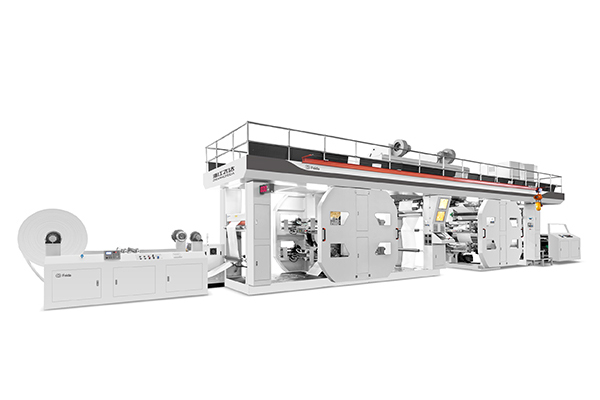
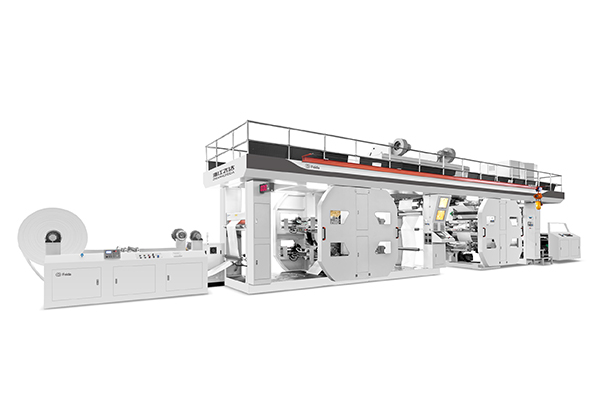
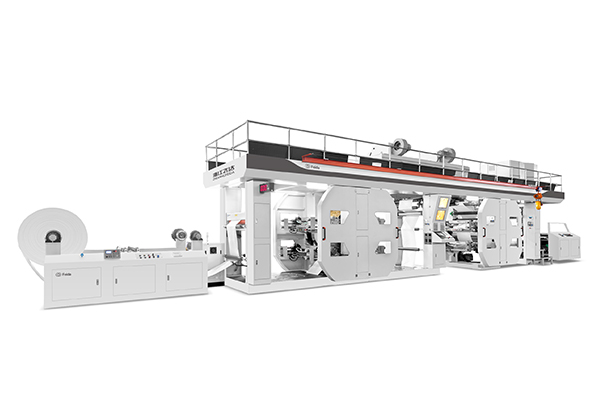
Feida Machinery has been manufacturing flexo printing equipment since 2010, covering an area of 20,000 square meters with the ability to produce more than 500 machines annually. Their CI flexo printing presses are designed with a central impression cylinder that clamps the material, ensuring stable positioning throughout the printing process. This design is particularly valuable when running variable substrates like recycled board, as the stable material path reduces the impact of surface irregularities.
The company has cooperated with listed packaging companies including KFC, McDonald‘s, Subway, and Starbucks, and exports to more than 70 countries with over 2,000 customers. Feida’s CI flexo printing presses offer printing color sets from 1 to 10 colors and support various materials including plastic films, paper, and aluminum foil.
Switching to recycled board isn‘t a simple flip of a switch. It requires understanding the material differences, assessing your press, making targeted adjustments, and accepting a learning curve. But with the right approach—and the right equipment—it’s a transition that many converters are successfully making. The demand for sustainable packaging isn‘t going away. The question isn’t whether you‘ll run recycled board; it’s when. Start with a trial run, document everything, and build a process that works for your specific board grade and press configuration.
Ready to evaluate your CI flexo press for recycled board? Reach out to Feida Machinery's technical team—they can provide press assessments, modification recommendations, and trial run support to help you make the transition.