

What Consumables Does a Flexo Label Printing Machine Need Regularly
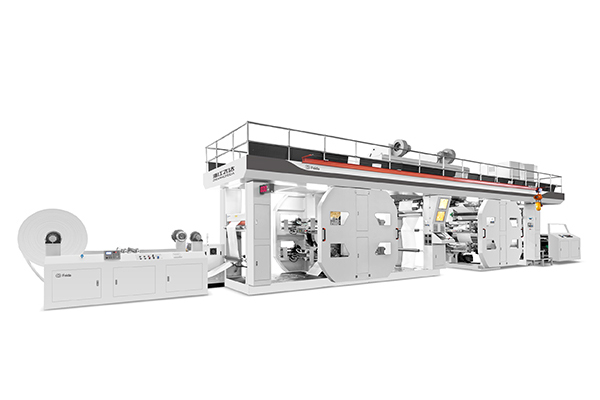
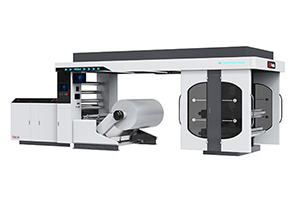
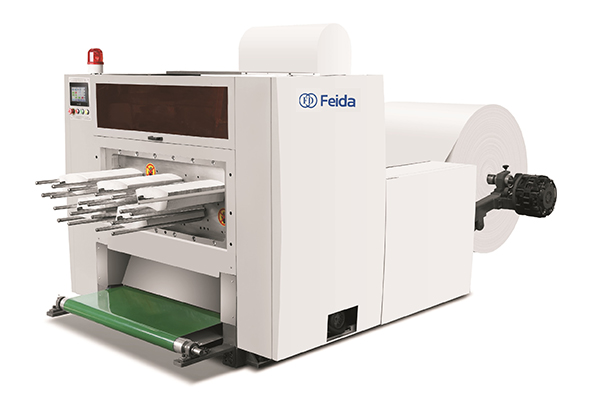
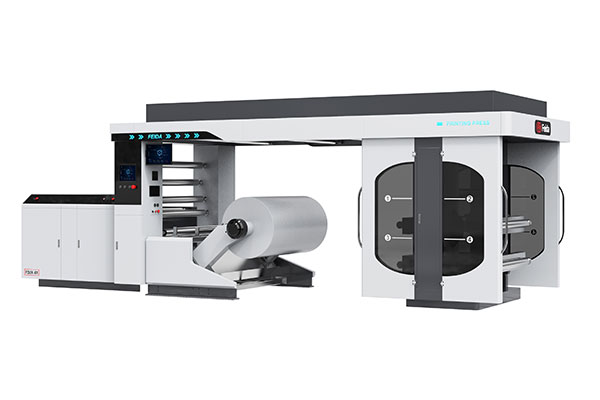
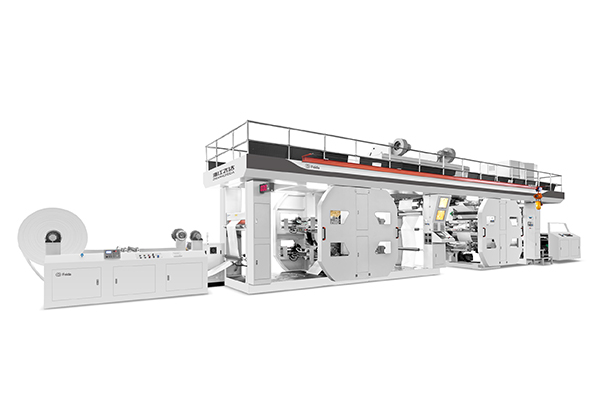
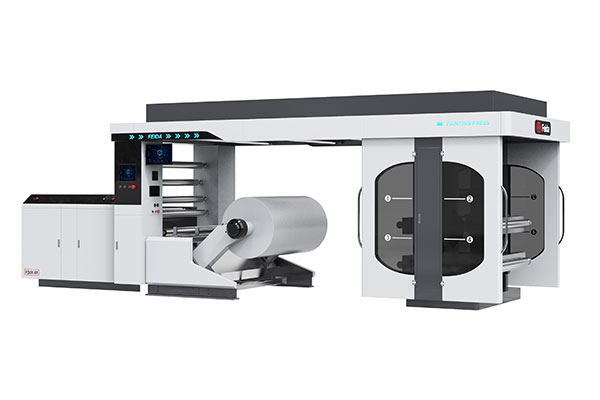
A flexo label press runs smoothly when its consumables are managed properly—and stops unexpectedly when they are not. Print quality degrades gradually, but the root cause is often a simple part that should have been replaced weeks earlier. A worn doctor blade streaks, a dried‑out filter cartridge starves the anilox, and a degraded foam tape allows plates to shift mid‑run. On a Flexo Printing Machine with up to 10 color stations, like the Feida CI flexo press running at 200 m/min, the volume of consumable parts multiplies quickly. This guide covers what needs replacement monthly, what belongs on a quarterly schedule, and how to spot the warning signs before a consumable failure turns into an emergency stop. The Feida CI flexo printing machine features a central impression cylinder that holds the web firmly, supports multiple printing units, and is compatible with a wide range of substrates including plastic films, paper, aluminum foil, and non‑woven materials—each imposing different wear patterns on your consumables.
Three things you should change every month
The most frequently changed consumables on a flexo press are the ones in direct contact with moving surfaces, abrasive inks, and high shear forces.
Doctor blades. The doctor blade is the first line of ink metering. Standard steel blades last 40–60 running hours, depending on ink abrasiveness and anilox condition. For UV inks or abrasive white inks, change every 20–30 hours. Ceramic‑coated polymer blades (such as TruPoint) last up to four times longer than steel and are gentler on anilox rolls. Signs of wear include inconsistent color density, streaking, and ink leakage at the chamber ends. Replace when you see visible nicks under a magnifying glass. The Feida CI press uses chambered doctor blades with end seals, making blade changes faster than open‑blade systems.
Foam tape for plate mounting. Double‑sided foam tape holds photopolymer plates to the cylinder or sleeve. After 2–3 mount/demount cycles, the adhesive loses tack. Degraded tape allows plates to lift at the edges during printing, causing ghosting and register drift. Residue from old tape left on the cylinder can also prevent new plates from seating flat, transferring print defects across multiple jobs. Store tape rolls in sealed bags at room temperature; heat and humidity age the adhesive prematurely.
Filter cartridges for ink circulation. Inline filters remove dried ink particles and debris from the circulating ink supply. A clogged filter reduces ink flow to the chamber, starving the anilox, and the first symptom is not a print defect but an alarm light on the ink pump. Change filter cartridges every 200–300 running hours or when the pressure gauge shows a drop. Use filters with a micron rating appropriate for your anilox cell volume—finer screens protect finer screens.
What to put in your quarterly maintenance kit
Anilox roll – deep clean or exchange
Anilox rolls are the most expensive consumable, with a typical service life of 2–3 years under normal use. However, cleaning them every day after each ink run prevents cell clogging that shortens that life. Quarterly ultrasonic or laser cleaning removes stubborn dried ink that routine washing leaves behind. After cleaning, measure cell volume to confirm recovery. For converters who cannot afford downtime for on‑press cleaning, maintaining a spare anilox roll per color station and exchanging it while the dirty one is sent out for professional cleaning is standard practice. The Feida CI press supports various plastic films, paper, and aluminum foil, each with different ink adhesion properties—so anilox wear patterns vary significantly by substrate.
Gaskets and seals for ink chambers
Chamber end seals (felt, foam, rubber) lose elasticity from ink exposure and solvent cleaning. A seal that leaks ink at the chamber ends wastes ink and allows air to enter the system, causing foaming and pinholing in the print. Typical seal life is 30–100 hours for foam seals; neoprene or molded rubber seals last longer but cost more. Quarterly inspection: run a finger along the chamber edge after a cleaning cycle. If you feel wet ink or see drips, replace the seals. The Feida CI flexo printing machine’s chambered doctor blade system uses precisely cut end seals that can be replaced without removing the entire chamber—a significant time saving.
UV lamps (if applicable)
Mercury UV lamps degrade continuously from the first hour of use. Useful life is typically 1,000 hours; after that, curing becomes incomplete, and prints may feel tacky or transfer ink to the next surface. LED UV lamps last much longer—15,000 to 30,000 hours—but they are also more expensive and require compatible inks. For Feida presses equipped with UV curing, log lamp hours and replace mercury lamps every 800–1,000 hours to maintain cure consistency.
Four habits that stretch consumable life
Consumables last longer when the pressroom environment and operating discipline support them.
Proper ink viscosity control reduces anilox clogging. When ink viscosity drifts higher than the specification, the anilox cells fill unevenly and dry ink accumulates faster. Automated viscosity controllers are a worthwhile investment for high‑volume shops. Without automation, measure viscosity with a Zahn cup at least twice per shift and adjust with solvent or water as needed.
Use ceramic‑coated blades for abrasive inks. White inks, metallic inks, and opaque coatings contain hard pigment particles that wear steel blades rapidly. Switching to a ceramic‑coated or polymer blade can extend blade life by 3–4 times while also protecting the anilox roll from scoring. The higher upfront cost per blade is offset by fewer changeovers and less anilox damage.
Store plates flat and away from ozone sources. Photopolymer plates are sensitive to ozone—a gas generated by corona treaters, electric motors, and sunlight. Ozone causes plates to develop fine surface cracks, leading to premature failure. Store plates flat in black polyethylene bags, away from UV light and ozone sources such as corona treaters, press motor drives, and power stations. Keep storage temperatures between 4–32 °C. Plates stored improperly may fail before their first print run.
Track anilox cell volume with a dedicated log. Measure anilox cell volume monthly using a depth gauge or send rolls to a lab quarterly. A 10% drop in cell volume reduces ink transfer by the same percentage, forcing press operators to compensate with higher pressure or slower speeds—both of which accelerate wear. When volume drops below 80% of original spec, recondition or replace the roll.
What flexo operators ask most about consumables
Q: Where can I buy compatible doctor blades for my Feida CI flexo press? A: Feida recommends using doctor blades from established suppliers such as Daetwyler, Flexo Concepts, or Allison Blades. Provide your anilox roll diameter and chamber geometry when ordering—blade thickness, bevel angle, and length must match the chamber. The Feida CI press uses standardized chamber dimensions, so most major blade brands offer compatible SKUs.
Q: Is it worth reconditioning an anilox roll, or should I buy new? A: Anilox reconditioning (re‑engraving the ceramic surface) is typically done after 2–3 years of normal wear. The cost is roughly 50–60% of a new roll. Reconditioning is cost‑effective if the roll body is undamaged and you measure cell volume before and after to confirm recovery. A roll with mechanical damage (scored or chipped) should be replaced. Feida’s CI press supports a variety of printing materials, and anilox requirements differ between paper, film, and foil—so consult your process engineer before reconditioning.
Q: Can I use a generic mounting tape for any flexo job? A: Not recommended. Foam tape density (hardness) affects print quality: softer tape compensates for uneven plate thickness but can cause dot gain; harder tape gives sharper dots but transfers plate defects. Use the tape grade specified by your plate supplier and keep separate tape rolls for high‑line‑screen work. Feida’s high‑precision CI press, with registration accuracy down to 0.1 mm, requires consistent tape performance to maintain that tolerance across all color stations.
Q: What’s the typical cost of consumables per 10,000 linear meters on a CI flexo press? A: A typical breakdown includes doctor blades (steel) at $0.5–1, mounting tape amortized at $1–2, filter cartridges at $0.5–1, and ink chamber seals at $0.5–1. Anilox cleaning is a fixed labor cost rather than a per‑meter consumable. Total consumables cost usually ranges $3–8 per 10,000 linear meters, not including ink and substrate. For Feida presses running at 200 m/min, that means $3–8 of consumables per 50 minutes of running time—a small price for uninterrupted production.
A simple consumables checklist you can start using today
The most efficient way to manage flexo consumables is to create a checklist tailored to your machine and product mix. Include columns for part name, supplier SKU, replacement frequency (running hours or calendar days), last replacement date, and next due date. A sample template might include:
-
Daily / per‑shift: Check ink viscosity; visually inspect doctor blade edge; wipe anilox roll; clean ink filters.
-
Weekly: Inspect foam tape adhesion on mounted plates; check chamber end seals for leaks; log anilox cell condition with a magnifier.
-
Monthly: Replace steel doctor blades (sooner if printing abrasive inks); replace foam tape on plates that have been remounted 3+ times; change filter cartridges.
-
Quarterly (500–2,000 hours): Ultrasonic or laser clean anilox rolls; replace end seals; replace mercury UV lamps; send anilox rolls for cell volume measurement.
-
Annually: Review consumables spending and adjust inventory levels based on production data; inspect all spare anilox rolls and refurbish as needed.
Feida Machinery, established in 2010 with a 20,000 m² facility producing over 500 machines annually, has cooperated with packaging companies including KFC, McDonald‘s, Subway, and Starbucks. Their CI flexo printing press line supports 1–10 colors, reaches speeds of 200 m/min, and accommodates substrates from plastic film to paper and aluminum foil. With CE and ISO9001:2008 certifications and exports to 70+ countries, Feida’s machines are built for the high‑volume flexible packaging market, where consumable management is part of every shift.
→ Request a quote from Feida Machinery for CI Flexo Printing Presses — Share your typical substrate (paper, film, or foil), number of colors, and average monthly production meters. Their technical team can recommend a consumables stocking plan tailored to your machine configuration and application.