

Guide to Reducing Material Waste During Flexo Printing Machine Job Changes
You’ve just finished a job on your CI flexo press. The next one is waiting. By the time you’ve changed plates, inks, and settings, you’ve wasted 150 to 300 meters of substrate—sometimes more. That’s not just material cost; it’s lost production time, wasted labor, and unnecessary environmental impact.
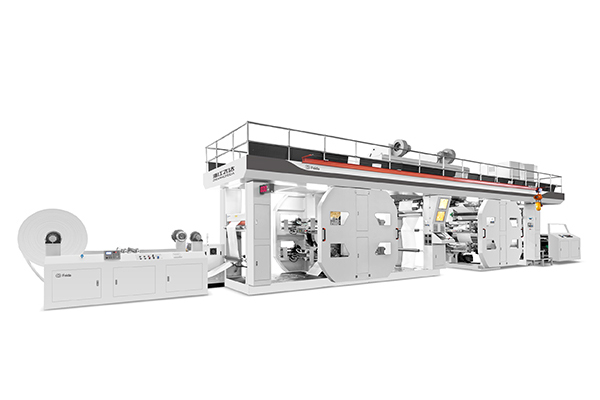
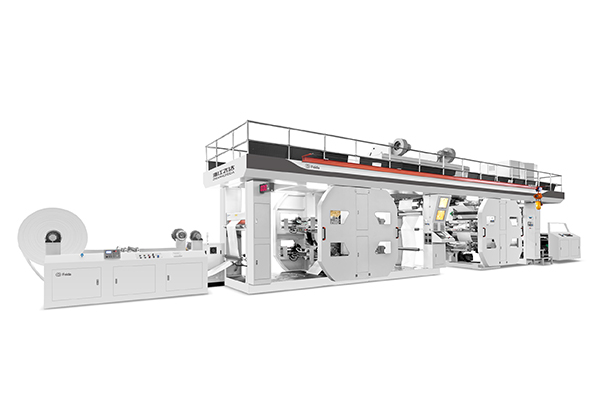
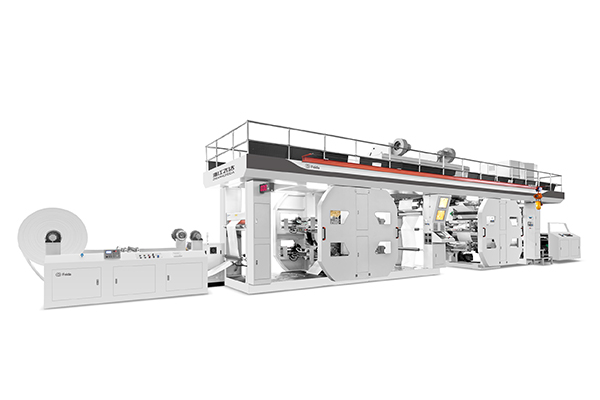
A Flexo Printing Machine like the CI Flexo Printing Machine from Feida Machinery is capable of high‑speed, multi‑color production at up to 200m/min, supporting a wide range of substrates from plastic films to paper and aluminum foil. But even the most advanced press can’t eliminate waste if changeovers aren’t optimized.
This guide walks you through measuring your current waste, operational strategies that require no investment, technical adjustments that cut waste, and how to build a culture that treats substrate waste as the profit leak it really is.
Measuring Your Current Waste Baseline
You can’t reduce what you don’t measure. The first step is knowing exactly how much substrate you’re wasting per changeover.
Define “Changeover” Clearly
For waste measurement purposes, a changeover starts with the last good piece of the previous job and ends with the first good piece of the next job. Every meter of substrate consumed between those two points is changeover waste. This includes the material used during plate mounting, registration, color matching, and stabilization.
The Waste Audit Method
Run a simple audit: record the length of substrate used during three consecutive changeovers. Average the three numbers. That’s your baseline. For a CI flexo press, a typical baseline might be 200 meters per changeover. If you run 10 changeovers per week, that’s 2,000 meters of waste—every week.
Track It Visually
Post the baseline on a whiteboard near the press. Track each changeover’s waste against the baseline. When operators can see the number, they start to care about it. Visibility is the first step toward reduction.
Operational Strategies That Cost Nothing
Not all waste reduction requires new equipment or expensive retrofits. These strategies cost nothing but discipline.
Pre-Stage the Next Job
While the current job is still running, prepare everything for the next one. Have the plates mounted, inks mixed, and tools laid out. The goal is to minimize the time between jobs when the press is idle and substrate is being wasted. This is a discipline issue, not a technology issue. The CI flexo printing machine’s automatic positioning and quick setting features make pre-staging even more effective—the press is ready to go when the operator is.
Group Similar Jobs
Run jobs with similar repeat lengths and color counts together. A change from a 4‑color job at 500mm repeat to a 6‑color job at 400mm repeat requires more adjustment than switching between 4‑color jobs at the same repeat. By grouping similar jobs, you reduce the number of major adjustments per changeover, which directly reduces waste.
Pull in Registration at Low Speed
During registration pull‑in, run the press at a slow speed. High‑speed registration pulls are faster but waste more substrate. Slowing down gives the operator more time to make precise adjustments, resulting in less wasted material before the first good piece. The CI press’s high‑speed positioning is a powerful tool—use it for production, not for registration.
Technical Adjustments That Cut Waste
Beyond operational discipline, specific technical settings can significantly reduce changeover waste.
Optimize Tension Ramp‑Down and Ramp‑Up
When a job ends, the unwind tension needs to ramp down smoothly. When a new job starts, it needs to ramp up without overshooting. Abrupt tension changes cause web breaks and misregistration—both of which create waste. CI flexo printing machines utilize multiple printing units on the central printing cylinder for very high precision and repeatability, but tension management is still operator‑controlled. Calibrate your tension ramp profiles for each substrate type.
Improve Flying Splice Accuracy
The flying splice is where the new roll joins the running web. If the splice is inaccurate or poorly timed, the press wastes material while the operator recovers. Train operators on proper splice timing and ensure the splice detection system is calibrated. Feida’s presses feature automatic shutdown for fault conditions, which helps prevent splice‑related web breaks from escalating into major waste events.
Use Job‑Specific Settings
Save the optimal settings for each job—tension, speed, temperature, and registration. When that job runs again, recall the saved settings and start closer to the target than you would from scratch. The CI flexo printing machine’s automatic color mixing and computer program quick switching are designed for exactly this kind of repeatability.
Building a Waste‑Reduction Culture
Technology and process improvements only work if your team is engaged. Waste reduction is a team sport.
Set a Waste Target
A realistic waste target for a CI flexo press is 3–5% of total substrate consumed. This includes both changeover waste and running waste. If you’re above 5%, you have a problem. If you’re below 3%, you’re doing well—but you can still improve.
Create a Visual Management Board
Post the daily waste number where everyone can see it. Include the target and the actual. When operators see that they beat yesterday’s number, they feel ownership. When they see they missed it, they look for ways to improve. The CI flexo printing machine can perform multiple functions such as paper feeding, automatic metering, high‑speed positioning, drying, and automatic shutdown, but waste reduction ultimately comes down to the people running it.
Reward Waste Reduction
Consider a monthly “Best Waste Control” award. It doesn’t have to be expensive—recognition goes a long way. When operators know that waste reduction is valued and measured, they pay attention to the small details that add up to big savings.
Questions Production Teams Ask About Waste
What is a realistic waste % target for a CI flexo press?
For a well‑run CI flexo press, a realistic waste target is 3–5% of total substrate consumption. This includes changeover waste and running waste. If you’re consistently above 5%, investigate your changeover procedures and tension settings. If you’re below 3%, you’re in good shape—but keep pushing. Feida’s machines are designed for high‑efficiency production, and waste reduction is part of that efficiency equation.
Does shorter changeover time always mean less waste?
Not necessarily. A fast changeover that wastes 50 meters of substrate is better than a slow one that wastes 100 meters—but speed isn’t the only factor. A changeover that takes two extra minutes but saves 20 meters of substrate is usually the better trade‑off. Measure waste in meters, not minutes. The CI flexo printing machine’s advanced automation and control functions, including automatic positioning and quick program switching, help reduce both time and waste simultaneously.
How do I train operators to care about waste?
Start with visibility. Show them the waste numbers and explain what they cost in real terms. Involve them in setting reduction targets. When operators understand that waste reduction is a shared goal—not just a management directive—they take ownership. Recognize and reward improvements. Feida Machinery has exported to more than 70 countries with over 2,000 customers, and successful operators across those markets consistently report that engaged teams are the biggest factor in waste reduction.
Building a Waste‑Reduction Culture
Technology and process improvements only work if your team is engaged. Waste reduction is a team sport.
Set a Waste Target
A realistic waste target for a CI flexo press is 3–5% of total substrate consumed. This includes both changeover waste and running waste. If you’re above 5%, you have a problem. If you’re below 3%, you’re doing well—but you can still improve.
Create a Visual Management Board
Post the daily waste number where everyone can see it. Include the target and the actual. When operators see that they beat yesterday’s number, they feel ownership. When they see they missed it, they look for ways to improve. The CI flexo printing machine can perform multiple functions such as paper feeding, automatic metering, high‑speed positioning, drying, and automatic shutdown, but waste reduction ultimately comes down to the people running it.
Reward Waste Reduction
Consider a monthly “Best Waste Control” award. It doesn’t have to be expensive—recognition goes a long way. When operators know that waste reduction is valued and measured, they pay attention to the small details that add up to big savings.
Feida Machinery was established in 2010, covering 20,000 square meters with the ability to produce more than 500 machines annually. The CI Flexo Printing Machine supports printing color sets from 1 to 10 colors, with machine speeds up to 200m/min, and is CE and ISO9001:2008 certified. It has cooperated with listed packaging companies including KFC, McDonald‘s, Subway, and Starbucks, and exports to more than 70 countries with over 2,000 customers. For production managers and operations leaders, reducing material waste during job changes isn’t just about saving money—it’s about running a more efficient, more competitive operation. Start with the baseline, implement the no‑cost strategies, fine‑tune the technical settings, and build a culture that treats waste as the profit leak it really is.
Ready to cut changeover waste on your flexo printing line? Reach out to Feida Machinery’s technical team—they can provide press optimization guidance, operator training recommendations, and machine specifications to help you reduce substrate waste and improve profitability.